
WHEN Labour were elected last year, they promised during the election campaign to deliver a “new era for women”.
Many of us thought they would prioritise tackling violence against women and girls. How wrong we were.
GettyLabour are failing to protect women and girls[/caption]
Darren FletcherJess Phillips, the MP tasked with Safeguarding And Violence Against Women and Girls, has this week admitted that DASH doesn’t work[/caption]
Jess Phillips, the MP tasked with Safeguarding And Violence Against Women and Girls, has this week admitted that the DASH (Domestic Abuse, Stalking and Honour-based violence) toolkit to identify women at high risk of serious harm “doesn’t work”.
She said she was reviewing the entire system currently in place for supporting victims — supposedly — but said it would not “change overnight”.
This newspaper has been active in the campaign to end domestic abuse and to offer sanctuary for its victims.
Lack of funding
The Sun’s Give Me Shelter campaign fights to support domestic abuse refuges and survivors — most successfully in 2015 when it focused on the closure of refuges.
Working with Women’s Aid, the campaign highlighted the importance of these safe houses, and the rising need for them.
Victims of domestic violence are failed by the system at every turn, with police and other criminal justice agencies often failing to take complainants seriously.
This is a national scandal, and after spending more than four decades campaigning against rape, child abuse and domestic violence, to me it is deeply depressing and demoralising.
Right now, domestic violence refuges and rape crisis centres are regularly closed down because of lack of funding, even though they are lifelines for abused women and their children.
Often, they are all that stands between safety and serious harm, or even death.
In England and Wales, a woman dies at the hands of a current or former male partner every three days.
The consequences of this failure could not be more serious: women are dying, leaving children motherless and their loved ones bereaved.
Every serious incident and death that could be avoided, must be avoided.
This is the job of social services, health professionals, police, and the entire criminal justice system.
Yet it looks as though DASH — a tool designed both to reassure those at most risk and serve as a warning to the most dangerous perpetrators — has failed as a result of incompetence and shortsightedness.
We pay our taxes to be protected by these agencies, to know that our loved ones and dependents are kept from harm.
The Labour Government has long claimed to be the party most likely to help women at their most vulnerable and protect children in cases of domestic abuse. This is untrue.
We can no longer pretend we have a government that puts women and children first, beyond violent men.
So what needs to happen? Women’s services must be re-funded, but with proper pay for those who work in them, because they are the experts who have come through the women’s movement and are well-versed in what male violence towards women and girls is, and how they can be protected.
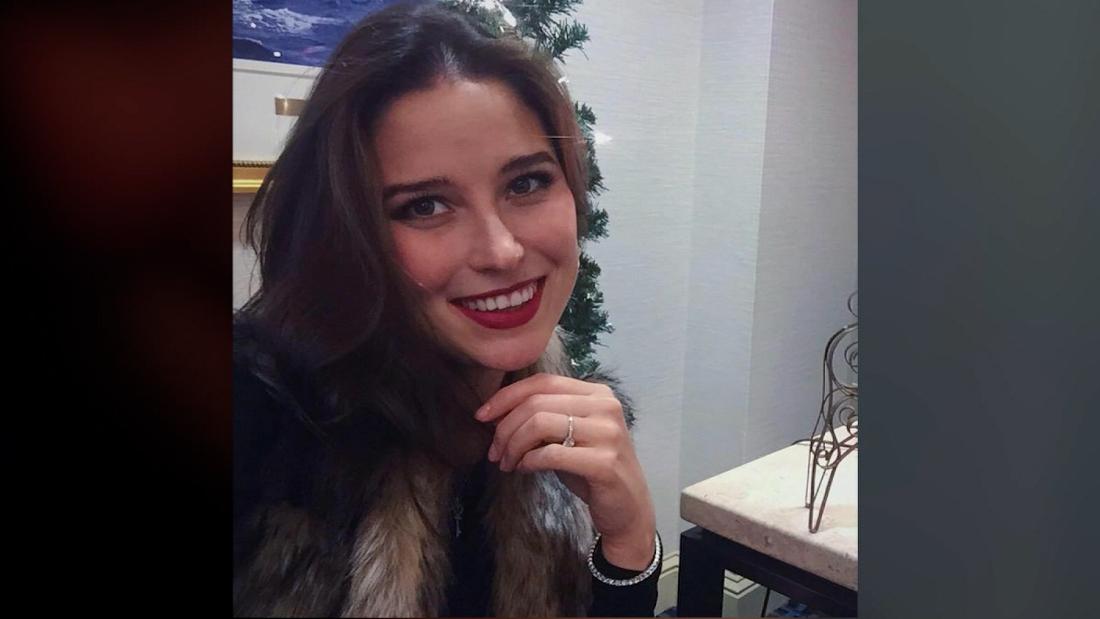
PA:Press AssociationRaneem and, right, her mum Khaola were murdered in 2018[/caption]
PA:Press Association/PA ImagesTarin was jailed for life for the killings of his ex-partner and her mother[/caption]
Use of the toolkit developed by Jane Monckton Smith, which shows how the path to domestic homicide works, should be routine.
The agencies already know that DASH is not up to scratch, because feminist campaigns, service providers in domestic violence and similar settings, and academics with expertise on this issue have warned it is not fit for purpose.
Some women, not having been graded high-risk, have paid with their lives.
One 2020 study looking at data from Greater Manchester Police found that nine out of ten repeat cases of violence were classed standard or medium-risk (rather than high-risk) by officers using DASH.
Yet repeat victimisation is a key warning sign for potential serious harm or homicide.
Men who refuse to stop, despite police and/or social services intervention, are the ones most likely to go on to kill.
Serious harm
Also in 2020, academics found that 96 per cent of victims retrospectively classed as high-risk had not been classified as such by DASH.
These failures cost lives, such as in the tragic case of Khaola Saleem and her daughter Raneem Oudeh in 2018.
Following a horrific campaign of domestic abuse towards Raneem, her husband Janbaz Tarin murdered both women outside Khaola’s home in Solihull.
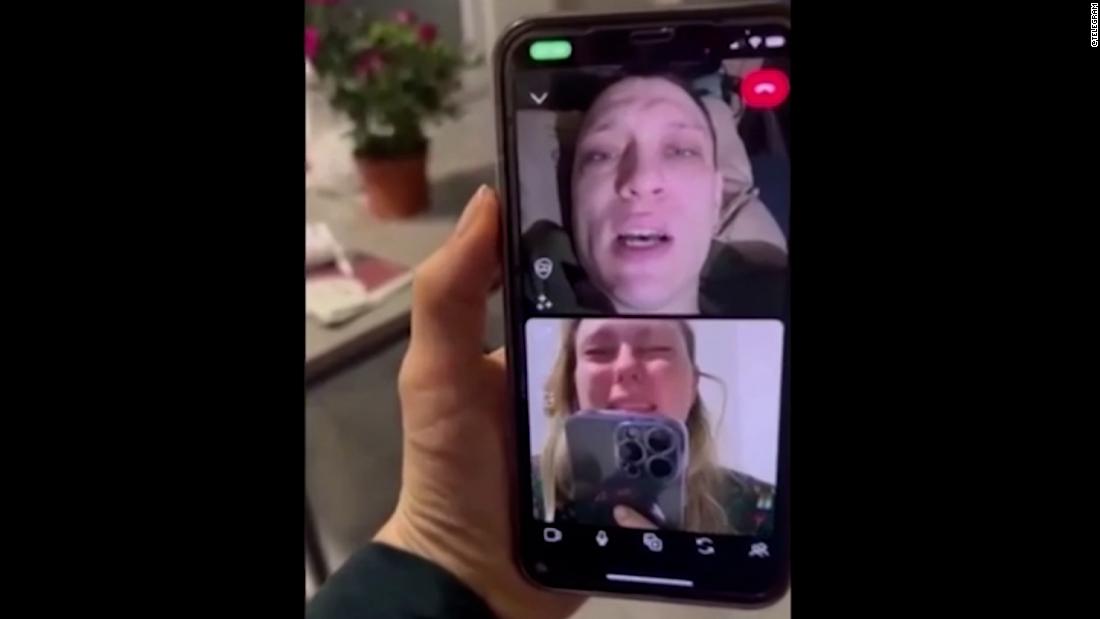
Despite repeated reports of domestic abuse from Raneem, as well as from paramedics and neighbours, no protection was provided for her.
There were failures to record or investigate crimes, failures to arrest and failures to safeguard.
On the night of the murders, police catastrophically failed to respond to several 999 calls.
The DASH downgrading of the risk Raneem faced certainly contributed to those deaths.
Police need to be properly trained in risk assessment and understand the consequences of failure, which is serious harm.
If the Government fails to put more resources into improving the system, more women will die.
Domestic abuse – how to get help
DOMESTIC abuse can affect anyone – including men – and does not always involve physical violence.
Here are some signs that you could be in an abusive relationship:
Emotional abuse – Including being belittled, blamed for the abuse – gaslighting – being isolated from family and friends, having no control over your finances, what you where and who you speak to
Threats and intimidation – Some partners might threaten to kill or hurt you, destroy your belongings, stalk or harass you
Physical abuse – This can range from slapping or hitting to being shoved over, choked or bitten.
Sexual abuse – Being touched in a way you do not want to be touched, hurt during sex, pressured into sex or forced to have sex when you do not consent.
If any of the above apply to you or a friend, you can call these numbers:
The Freephone National Domestic Abuse Helpline, run by Refuge on 0808 2000 247 for free at any time, day or night
Men who are being abused can call Respect Men’s Advice Line on 0808 8010 327 or ManKind on 0182 3334 244
Those who identify as LGBT+ can ring Galop on 0800 999 5428
If you are in immediate danger or fear for your life, always ring 999
Remember, you are not alone.
1 in 4 women and 1 in 7 men will experience domestic abuse over the course of their lifetime.
Every 30 seconds the police receive a call for help relating to domestic abuse.
Published: [#item_custom_pubDate]