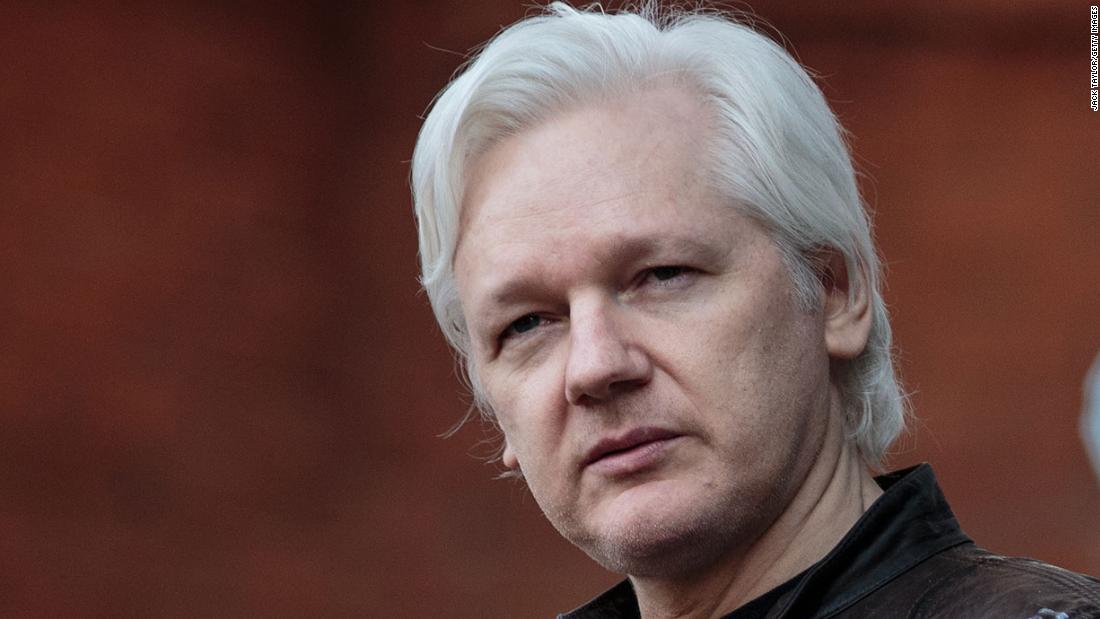

ALEX Salmond was the political heavyweight who punched way above his weight and nearly knocked Scotland out of the UK.
But his lifelong quest to see his nation become independent only dawned on him while working as an economist for the Royal Bank of Scotland.
Andrew BarrThe former First Minister of Scotland died after delivering a speech in Macedonia[/caption]
GettySalmond with Nicola Sturgeon following his last keynote speech as party leader of the SNP[/caption]
Getty Images – GettyHe resigned after failing in his bid to persuade Scots to vote for independence[/caption]
EPASalmond went on to lead the new pro-independence Alba Party[/caption]
He recalled: “I’d always been told that Scotland couldn’t afford to go it alone.
“But their sums didn’t add up – I could see the figures right in front of me.”
That set the course for his entire adult life after being born in Linlithgow, West Lothian, on Hogmanay in 1954 as Alexander Elliot Anderson Salmond and educated at Broomfield Primary School and then Linlithgow Academy.
The first seeds of independence were sown by Salmond’s grandfather Sandy, who he called “the most important person” in his life, after he filled the future leader’s head with Scotland’s rich history.
He said: “He was the town plumber in Linlithgow. And my grandfather was a local historian.
“He took me around Linlithgow and showed me where all the great things had happened. I got Braveheart from my grandfather’s knee.”
His West Lothian childhood, where he was raised with older sister Margaret and his two younger siblings Gail and Bob, also included a spell singing in choirs as a boy soprano.
And he insisted the slagging he took from school mates stood him in good stead for his later years leading the country.
He once joked: “If you can sing in front of thousands of people when you’re ten, then being Scottish First Minister is nothing in comparison.”
Alex studied at Edinburgh College of Commerce for a year from 1972, before going on to St Andrews University, where he graduated with a degree in economics and history.
It was there he decided to join the SNP after an argument with an English girlfriend, which ended with her ultimatum: “If you feel like that, go and join the SNP!”
His head was well and truly turned when student Salmond met Winnie Ewing when the Nationalist icon visited campus.
By then he had joined the RBS where he worked for seven years as oil economist.
However at the same time, his political reputation was growing as a leading light in the Nats’ socialist 79 Group — a period of activism which saw the future firebrand briefly suspended in 1982 after the renegades were expelled from the main party.
In 1987 he was elected to Westminster for the first time as MP for Banff and Buchan.
He was 32 and he made it clear he had no intention of just warming the back benches when the following year, he was ejected from the House of Commons for interrupting Tory Chancellor Nigel Lawson’s Budget speech.
In 1990 he fought a fierce battle with Margaret Ewing, daughter-in-law of Winnie, to become SNP leader.
In a stunning publicity coup, Eck proved he had a licence to thrill when he enlisted the services of 007 mate of Sir Sean Connery to star in his party political broadcast.
When Tony Blair was elected in 1997 the Prime Minister delivered on his promise to hold a devolution referendum which Labour hoped would bury the Nat’s independence dreams.
Their plans seemed to be sticking to the script when the SNP won just 35 seats to Labour’s 56 in the first Scottish parliament elections in 1999 which saw Salmond step down as leader.
But when his predecessor John Swinney resigned as SNP leader in 2004, Salmond initially ruled out a return to the top – before suddenly changing his mind.
He stood on a ticket with Nicola Sturgeon as his running mate, winning 75 per cent of the party’s votes.
Salmond returned to Holyrood as MSP for Gordon in the 2007 Scottish elections where he became First Minister of a minority government after the SNP won a single seat more than Jack McConnell’s Labour.
During his seven years as First Minister he met the late Queen on countless occasions and once even kept Her Maj waiting.
But the smooth operator soon managed to talk himself out of trouble, as usual.
He recalls: “I was due to meet Her Majesty at Balmoral, but due to bad flooding I realised I was going to be late.
“So I stopped on the way to pick up some raspberries from near Glamis Castle — home of the Queen Mother of course.
“The Queen was absolutely delighted and served them over dinner.
“So if you ever find yourself late for Her Majesty, make sure you bring her six punnets of raspberries.”
Undoubtedly the crowning glory of his incredible career was the unprecedented majority the Nats won in the 2011 Scottish elections — a feat that was supposed to be impossible to achieve thanks to the voting structure.
But crucially that gave Salmond a mandate for the 2014 independence referendum that saw him come so close of fulfilling his lifelong vision – but with no cigar.
On the night of the historic vote he gave a rare insight into his then 33-year marriage, when he told The Scottish Sun: “It’s Moira I’ve been concerned for. She always said she married an economist, not a politician.”
The day after he shocked the nation and his party by stepping down as First Minister.
But he had clearly lost none of his strut as he famously burst through the doors at Westminster after winning the Gordon constituency during the SNP’s 2015 landslide when they won 56 out of a possible 59 seats.
It was then the wheels started to come off his juggernaut career, first in 2017 when he lost his seat to Tory Colin Clark, bringing his three decades at the forefront of British politics to a shuddering halt.
While in 2018 he resigned from the SNP to fight allegations of rape and sexual assault that saw him charged with 14 offences, including attempted rape in 2019.
But before he came to trial Salmond was given £500,000 compensation by the Scottish Government when he won a judicial review, ruling their investigation was unlawful, unfair and “tainted by apparent bias”.
Salmond was later acquitted of all charges after trial in March 2020 but his reputation was tarnished after admitting he had apologised to a civil servant for a boozy incident which ended with “sleepy cuddles” – his words – on his bed at Bute House in 2013.
He later admitted: “It matters a great deal that you’re found innocent. But if you’re in a mud-wrestling contest, it doesn’t matter if you emerge innocent — you still end up with mud.”
Salmond went on to lead the new pro-independence Alba Party but they failed to gain any seats in the 2021 Scottish elections.
Last year he lodged a Court of Session petition alleging misfeasance – the wrongful exercise of lawful authority – by civil servants, seeking £3million in damages.
But despite all the battles scars when asked what his biggest regret was, he simply stated: “That Scotland still isn’t independent.”
Published: [#item_custom_pubDate]