
A JACK the Ripper copycat who stalked the same streets as the serial killer has died in jail.
Derek Brown has died at the age of 64 after being taken to hospital.
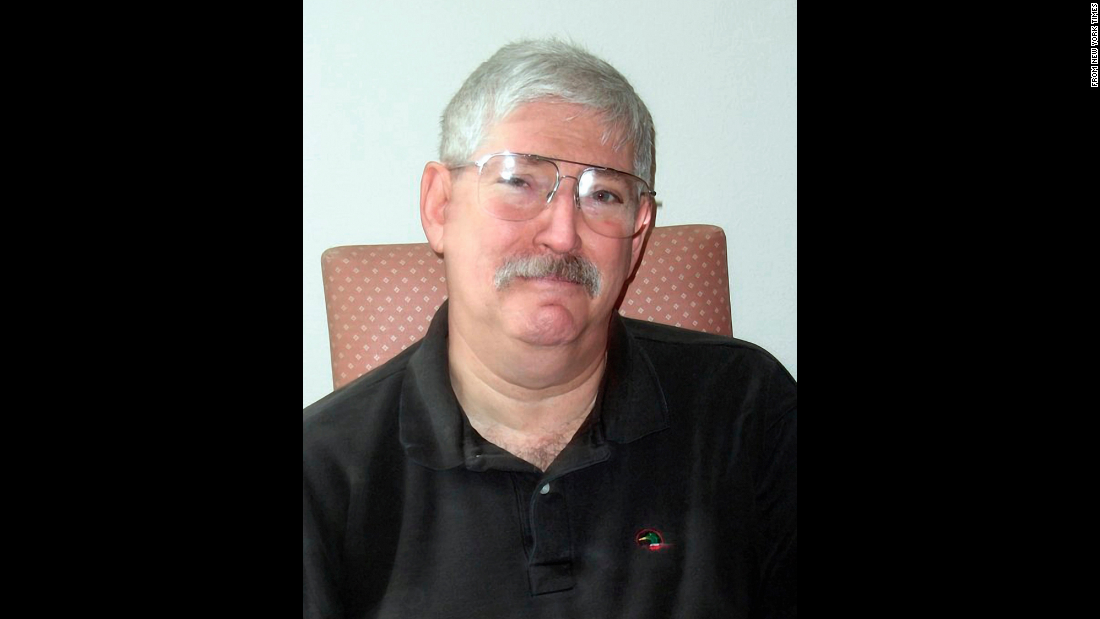
SWNSDerek Brown, who was dubbed the ‘Modern Ripper’ has died aged 64[/caption]
SWNSMultiple murderer Derek Brown caught on CCTV[/caption]
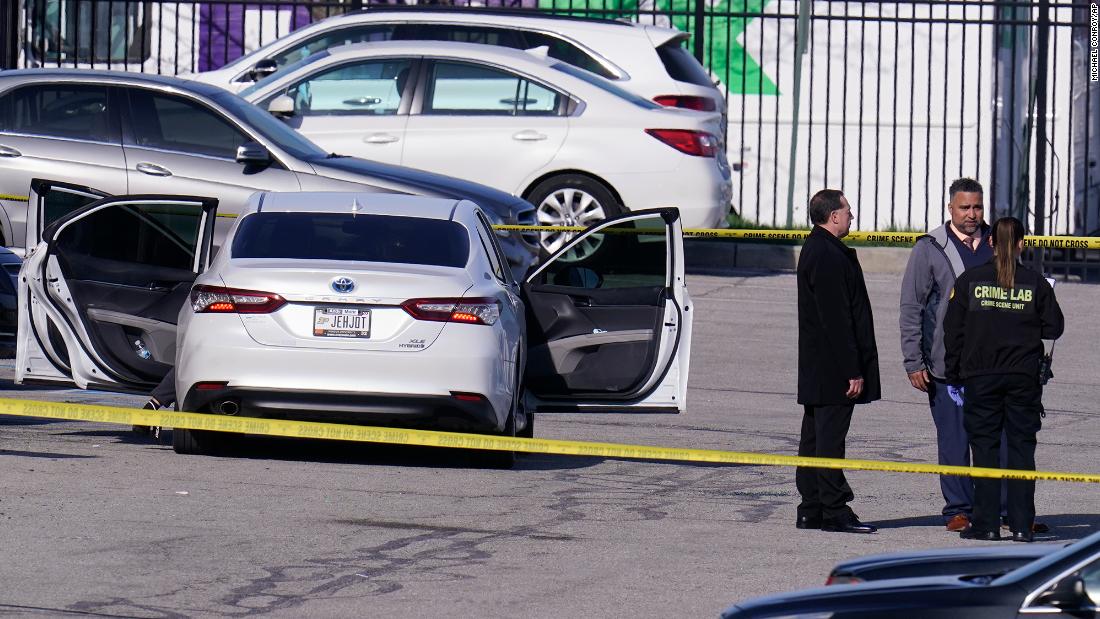
Brown was sentenced to a minimum term of 30 years on October 6 2008 after he was found guilty of murdering DVD seller Xiao Mei Guo, 29, and prostitute Bonnie Barrett, 24.
He denied murder but admitted paying both women for sex before their disappearances in 2007.
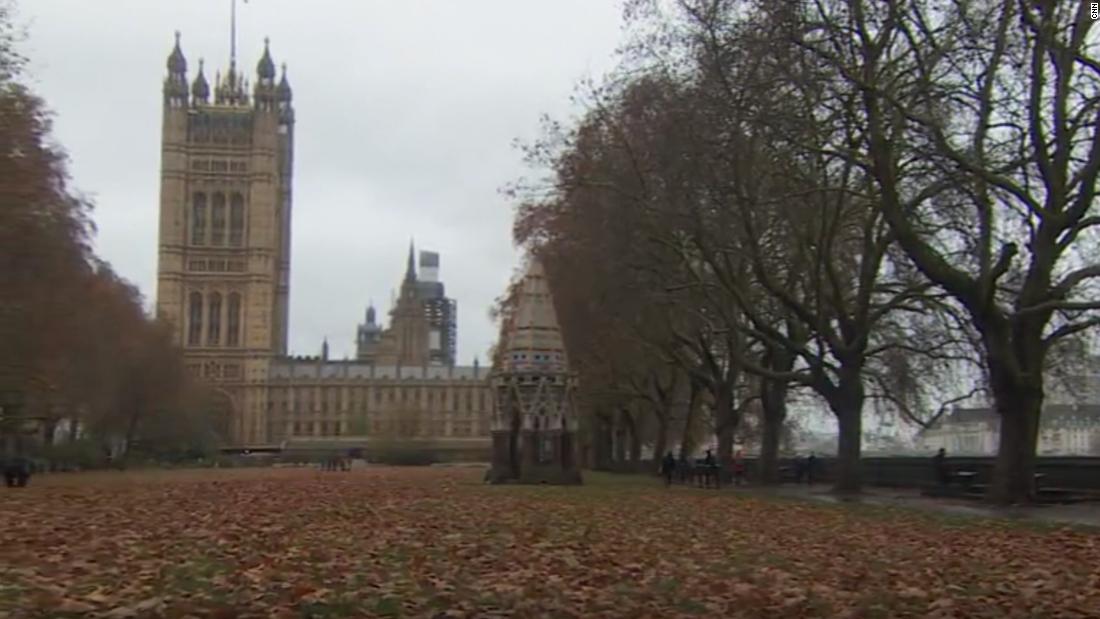
The previously convicted rapist found his victims in the Whitechapel area of London – famously stalked by Jack the Ripper in the 1880s.
A search of Brown’s Rotherhithe flat found traces of blood belonging to both women, as well as a receipt for a bow saw, heavy duty gloves, rubble sacks and cleaning materials.
Brown was serving his sentence in HMP Wakefield but is believed to have become unwell last month.
He was taken to hospital and died two days later on September 9 at the age of 64 – just days away from his 65th birthday.
However, his victims remains have never been found to this day.
A source close to Brown said: “He was in critical care since Saturday.
“They found him in his cell on Saturday, and he was in critical care since Saturday 5pm until Monday when he died at 3pm.”
Police at the time of the murders believed Brown sought “notoriety” for the killings.
Detective Chief Inspector Mark Kandiah said: “If he kept killing prostitutes from the Whitechapel area, then that link (with Jack the Ripper) would be made.
“If this was a spree, it seems likely that we stopped him at number two.”
A Prison Service spokesperson said: “Derek Brown died in hospital on 29 September while serving a sentence at HMP Wakefield.
“As with all deaths in custody, the Prisons and Probation Ombudsman will investigate.”
It comes after a researcher claimed he found a 100 per cent DNA match with the original Jack the Ripper and his suspect.
Russell Edwards extracted DNA from a shawl recovered from the scene of one of the slayings, and claimed the murderer was Aaron Kosminski, an emigre from Poland, who worked as a barber.
With the help of genealogists, Russell found a living relative of Kosminski who was happy to share her DNA for his to be tested against.
When they had a positive match, Russell realised he may have finally confirmed the murderer.
His bombshell finding led to descendants of victims to call for an inquest in the hopes of finding closure.
Karen Miller, 53, whose ancestor Catherine Eddowes was brutally murdered, says it is time for an inquest to name the killer.
She said: “We have got the proof, now we need this inquest to legally name the killer.
“It would mean a lot to me, to my family, to a lot of people to finally have this crime solved.”
Who was Jack the Ripper?
SERIAL KILLER Jack the Ripper caused mass hysteria like no murderer had done before.
The story was kept alive for generations after no one was ever caught for killing working women in the East End of London.
Jack the Ripper was the pen name that signed off on a chilling letter alleged to be from the killer printed in London newspapers at the height of his terror.
Five women — Mary Ann Nichols, Annie Chapman, Elizabeth Stride, Catherine Eddowes, and Mary Jane Kelly — are widely held to have been victims of the Ripper, although later murders were attributed to him.
All were murdered in the most brutal fashion imaginable around the Whitechapel area between August and November 1888.
Their bodies were mutilated, many of them being disembowelled.
Chapman’s uterus was taken, Eddowes had her uterus and a kidney removed and her face mutilated, while Kelly’s body was completely destroyed and her face hacked away.
Such was the fear at the time that the streets of London emptied after nightfall, leaving the once bustling Victorian capital deathly silent while the Ripper roamed the streets.
Jack the Ripper committed at least five murders in or near the Whitechapel district of London’s East End.
All of the victims were prostitutes and all of their corpses had been mutilated.
Scotland Yard was inundated with criminal investigations in rough East End leaving them overstretched and under-resourced.
Their lack of arrests and the continuing murder spree led to widespread criticism verging on derision of the police effort to catch the Ripper.
Volunteer citizens put themselves forward to try to help with the case and the Whitechapel Vigilance Committee was formed.
Its members patrolled the streets looking for suspects and hired private detectives to bring the menace to an end.
Top of the list of suspects were local butchers and surgeons because of the brutality of the killings — the Ripper was clearly not averse to blood.
Even Queen Victoria was made aware of the harrowing killings and formed her own theories that the Ripper must be a butcher.
The fact that many killings took place on weekends or public holidays also suggested the killer was a regular worker who lived nearby.
While investigations proved fruitless at the time, “ripperologists” are still trawling through evidence to find the true identity of the killer.
The number of named suspects reaches over one hundred.
Among them is cotton merchant James Maybrick who died a year after the last of the Ripper murders.
A diary allegedly belonging to him detailed the murders but its authenticity is disputed.
Thomas Cutbush, a violent criminal, is also among the list of suspects.
He worked in Whitechapel at the time of the killings and allegedly harboured a hatred for prostitutes and a grim fascination with medicine and surgery.
Respected poet Francis Thompson is alleged to have carried out the murders because he wrote about killing people, had surgical experience and was known to be close to one prostitute in the Whitechapel area at the time.
The Ripper case was the first to cause a worldwide media frenzy, and fervent speculation continues to this day.
Indeed, in January 2018 the mystery seemed to have inched closer to being solved when an expert matched the handwriting of two letters claiming to be from the killer.
Hundreds of such letters were sent to police and media, and their origin has remained a mystery with many believing they were written by journalists in an attempt to boost circulation.
But a scientific study seemed to shed new light on the mystery, focusing on the ‘Dear Boss’ letter, in which the name Jack the Ripper appears for the first time, and the ‘Saucy Jacky’ postcard.
It found similar linguistic constructions in both letters, such as the phrasal verb ‘to keep back’, as well as similarities in the handwriting.
A recent theory which came to light in February 2018, is that the Ripper may have been a Dutch serial killer and sailor.
Crime historian Dr Jan Bondeson named Hendrik de Jong as a prime suspect.
De Jong murdered two wives in his homeland and is believed to have travelled to London regularly.
Another suspect to emerge is the American serial killer HH Holmes.
Lawyer Jeff Mudgett, is the great-great-great-grandson of Holmes, who murdered at least nine known victims.
Read more here.
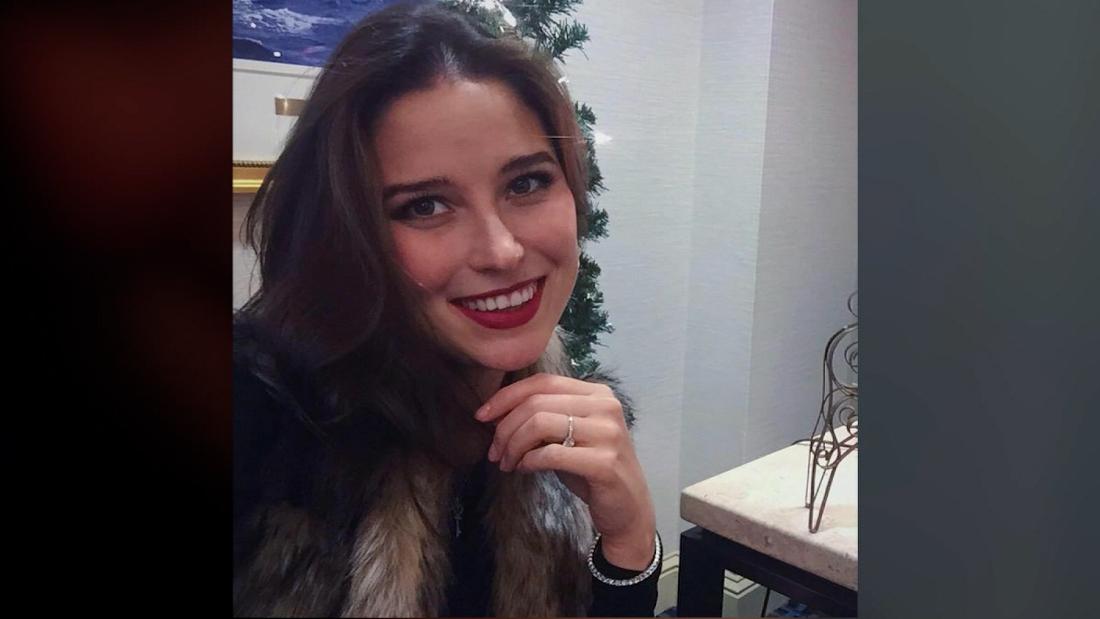
SWNSXiao Mei Guo was one of his victims[/caption]
SWNSBonnie Barratt also died at the hands of Brown[/caption]
SuppliedAaron Kosminski’s is believed to be the original Ripper and his DNA was found on a bloodied shawl[/caption] Published: [#item_custom_pubDate]