
MILITARY chiefs hired private detectives almost 300 times to spy on veterans suspected of exaggerating injury claims.
Each covert op costs about £1,500 but the Ministry of Defence reckons they save millions in compensation.
Officials mount operations to follow and film ex-service personnel and trawl their social media for evidence they are not as badly injured as claimed.
There have been 271 surveillance ops approved in the past ten years, figures released under Freedom of Information laws show.
Of those, 21 took place in the last financial year, to April 2025.
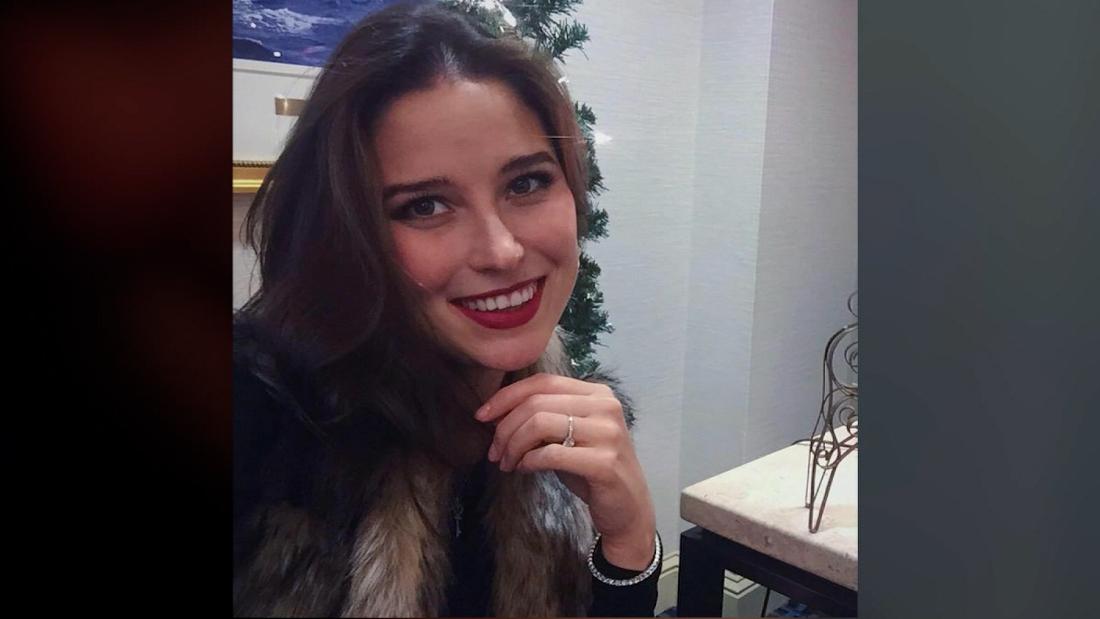
Ex-soldier Debbie O’Connell, 37, had a £2.4million compensation claim rejected at the High Court last week after she was filmed.
She said she had lost the use of an arm after being thrown from an Army horse — but was filmed mucking out stables with her supposedly injured limb.
The judge branded her claim “fundamentally dishonest”.
Covert surveillance of service personnel is carried out under the Regulation of Investigatory Powers Act 2000, which was brought in to help police and MI5 monitor terrorists.
Last year, the department paid out £135.5million to injured service personnel — including £6.5million to somebody hurt in an assault course fall.
The MoD said: “Surveillance should be of no concern to claimants with a legitimate claim and where the alleged injury has not been exaggerated.”
Ex-soldier Debbie O’Connell had a £2.4million compensation claim rejected at the High Court after she was filmed Published: [#item_custom_pubDate]