
THIS is the tragic last video of a mum who died from rabies after being scratched by a stray puppy on holiday.
Yvonne Ford, from Barnsley, South Yorkshire, died over the weekend after suddenly falling ill, her family said.
FacebookYvonne Ford is seen dancing in the clip[/caption]
FacebookIt was shot two weeks before she died this week[/caption]
Love IslandYvonne contracted rabies while in Morocco in February[/caption]
Her death has led to an urgent warning from the UK Health and Security Agency today.
Yvonne’s daughter Robyn Thomson decided to speak out publicly about her mum’s death “in the hope of preventing this from happening to others”.
Yvonne had been suffered a mild scratch from a puppy while on holiday in Morocco in February and unknowingly contracted the potentially fatal disease.
A video filmed two weeks ago shows her happily dancing with two children as music blasts out from speakers at what appears to be an outdoor family-friendly rave.
Yvonne’s daughter Robyn Thomson said in a Facebook post yesterday: “Two weeks ago she became ill, starting with a headache and resulted in her losing her ability to walk, talk, sleep, swallow. Resulting in her passing.”
Her death has led to an urgent warning from the UK Health and Security Agency today.
Robyn also said: “She was scratched very slightly by a puppy in Morocco in February.
“At the time, she did not think any harm would come of it and didn’t think much of it.”
On Sunday, Robyn shared a clip of Yvonne dancing with two children, writing “just under two weeks before we lost mum”.
In a tribute, she said: “Our family is still processing this unimaginable loss, but we are choosing to speak up in the hope of preventing this from happening to others.”
In another post, she referred to her mum by the nickname “Bon” and said: “She was the heart of our family—strong, loving, and endlessly supportive.
“No words can fully capture the depth of our loss or the impact she had on all of us.
“We are heartbroken, but also grateful for every moment we had with her.”
FACTFILE
– Rabies was eradicated from the UK in 1902
– It followed the first vaccine for rabies which was introduced in 1885
– Over 29 million people worldwide now receive a rabies vaccine annually
– Dogs are responsible for 99 per cent of cases
– Rabies still kills 59,000 people a year, almost entirely in developing countries
– Victims can harbour the disease for months without showing any symptoms.
– In 2004, US teenager Jeanna Giese became the first person in the world to survive rabies without receiving the vaccine
– There has never been a recorded case of human-to-human transmission
– Symptoms include anxiety, headaches and fever, before difficulty swallowing and respiratory failure
It comes after the UK Health and Security Agency (UKHSA) confirmed a Brit had died, and said her close contacts “are being assessed and offered vaccination when necessary”.
A statement added: “Rabies is passed on through injuries such as bites and scratches from an infected animal.
“It is nearly always fatal, but post-exposure treatment is very effective at preventing disease if given promptly after exposure to the virus.”
Dr Katherine Russell, Head of Emerging Infections and Zoonoses at UKHSA, said: “I would like to extend my condolences to this individual’s family at this time.
“If you are bitten, scratched or licked by an animal in a country where rabies is found then you should wash the wound or site of exposure with plenty of soap and water and seek medical advice without delay in order to get post-exposure treatment to prevent rabies.
“There is no risk to the wider public in relation to this case.
“Human cases of rabies are extremely rare in the UK, and worldwide there are no documented instances of direct human-to-human transmission.”
What rabies does to the body and how it’s treated
The infection is common worldwide but is predominantly found in Asia, Africa, and Central and South America.
Some of the animals that are most likely to spread the disease are dogs, bats, foxes, skunks and raccoons.
Symptoms
After a bite or other rabies exposure, the virus can take weeks or months to start causing symptoms.
This timeframe is what doctors call the incubation period in which the virus is travelling through the body and to the brain.
Some of the most common symptoms of rabies include:
Fever
Headache
Excess salivation
Muscle spasms
paralysis
mental confusion
The World Health Organization describes two main manifestations of the disease: furious rabies and paralytic rabies.
People or animals with furious rabies may appear agitated, become aggressive, and drool excessively, while other symptoms include hyperactivity, fear of water, and even fear of fresh air.
The symptoms of paralytic rabies, on the other hand, are more understated—typically causing gradual paralysis as a patient remains calm and lucid.
Treatment
If you’ve been bitten or scratched by an animal in an area with a risk of rabies you should immediately clean the wound with running water and soap for several minutes.
After this, you must disinfect the wound with an alcohol- or iodine-based disinfectant and apply a simple dressing.
After the wound is addressed, you should see a doctor as soon as possible and they will determine if you need a rabies vaccination or not.
Post-exposure treatment is nearly 100 per cent effective if it’s started before any symptoms of rabies appear.
Some cases will require immunoglobulin, which is administered into and around the wound.
This provides short-term protection if there is a significant chance of infection in the wound.
Treatment should ideally begin within a few hours of being bitten, but can be delayed up to 24 hours if needed.
Her death has led to an urgent warning from the UK Health and Security Agency todayFacebook
Yvonne was scratched by a puppy before contracting rabiesFacebook
FacebookYvonne died after catching rabies in Morocco[/caption]
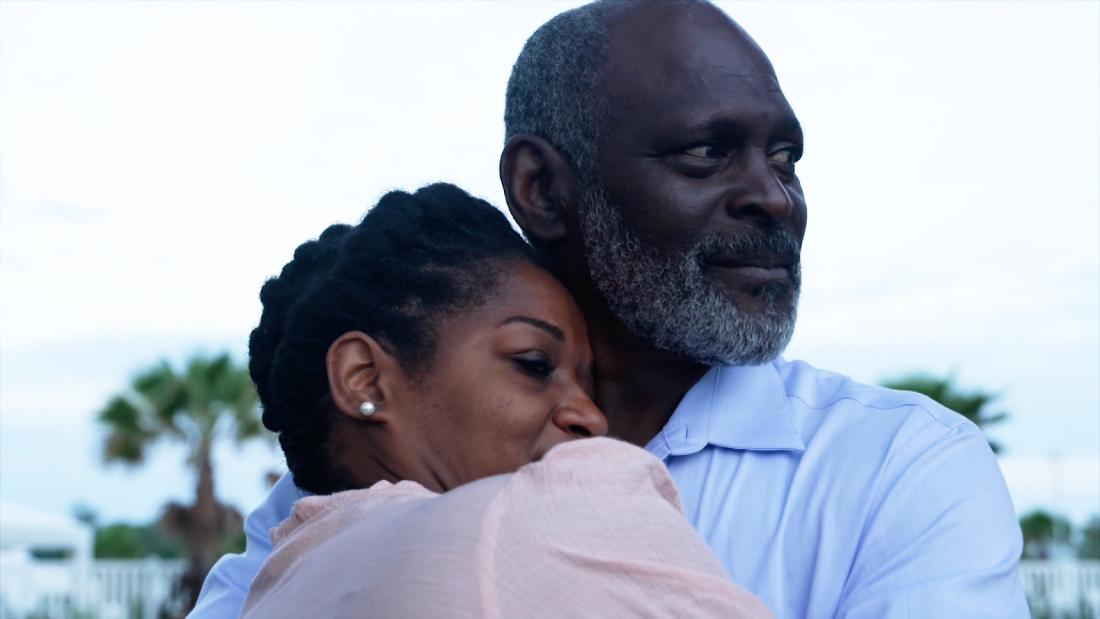
FacebookYvonne with husband Ron[/caption] Published: [#item_custom_pubDate]